道の声 Michi no Koe Home

Category

Traditional Arts

10 articles

Gardens That See You Back: How Japanese Spatial Design Is Rewiring American Perception

Gardens That See You Back: How Japanese Spatial Design Is Rewiring American Perception

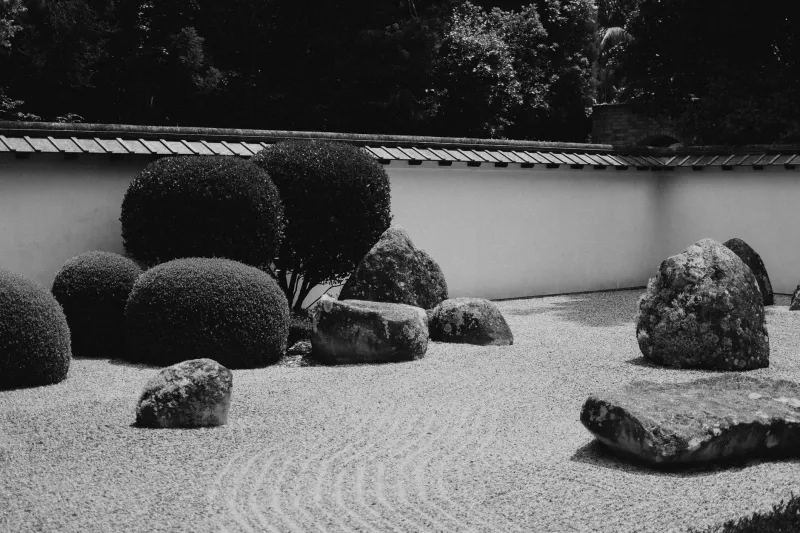
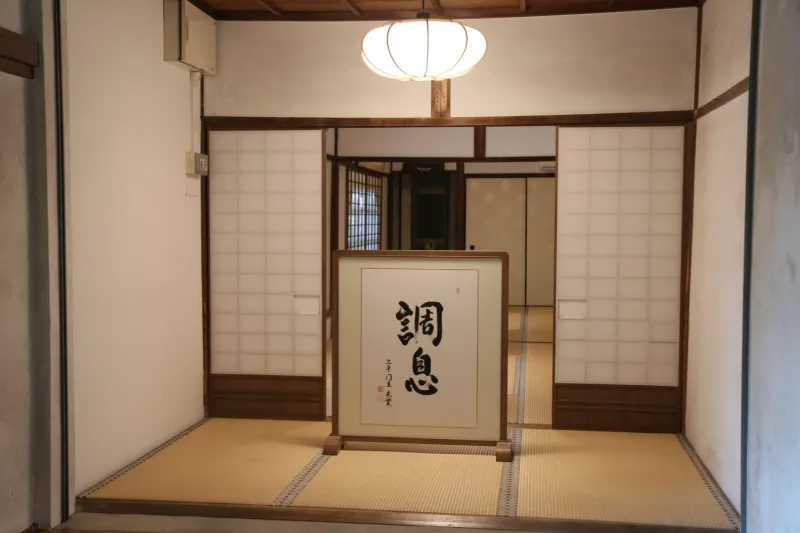
Traditional Japanese gardens were never designed as scenery to be consumed. They are structured environments built to reverse the direction of attention itself—drawing the visitor inward rather than outward. For Americans conditioned by relentless visual noise, these spaces offer something genuinely rare: a place where perception becomes the practice.

Between Mountain and Field: How Japanese Satoyama Wisdom Is Quietly Revolutionizing American Environmental Education

Between Mountain and Field: How Japanese Satoyama Wisdom Is Quietly Revolutionizing American Environmental Education

As American educators search for alternatives to both industrial agriculture models and abstract climate anxiety, a centuries-old Japanese concept of living landscapes is offering something unexpected: a pedagogy rooted in relationship rather than control. The philosophy of satoyama — the cultivated borderland between wilderness and village — is finding new expression in schoolyards, community gardens, and multigenerational learning spaces across the United States. What Japanese farmers long und

Empty by Design: How the Japanese Principle of Ma Is Quietly Reshaping Silicon Valley's Creative Philosophy

Empty by Design: How the Japanese Principle of Ma Is Quietly Reshaping Silicon Valley's Creative Philosophy

In a culture that has long equated abundance with excellence, a growing number of American designers and technologists are turning to the Japanese concept of ma — the deliberate cultivation of emptiness — to build products that breathe, rest, and resonate. From stripped-down app interfaces to open-plan interiors that prize negative space over noise, the philosophy of ma is challenging the maximalist assumptions that have long governed American design. This is not minimalism as aesthetic trend; i

The Quiet Depth Beneath the Surface: How Shibui Is Challenging American Ideas of Beautiful Simplicity

The Quiet Depth Beneath the Surface: How Shibui Is Challenging American Ideas of Beautiful Simplicity

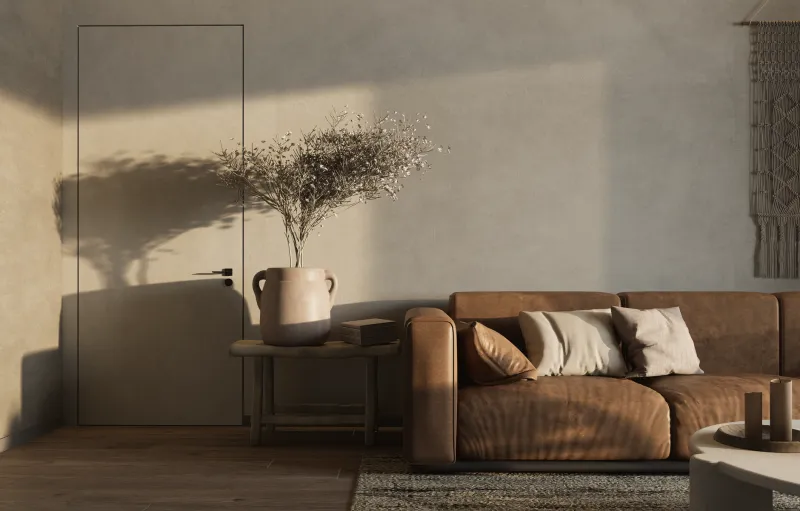
American minimalism has long prized the empty shelf and the stark white wall, but a subtler Japanese aesthetic — one built on restraint, imperfection, and earned complexity — is quietly unsettling that orthodoxy. Shibui, a centuries-old concept of understated elegance, is finding unexpected resonance among American designers, homeowners, and lifestyle thinkers seeking something that goes beyond mere reduction. This is not minimalism. It is something older and considerably harder to achieve.

Slow Theater in a Fast World: How Noh Is Finding a New Generation of American Devotees

Slow Theater in a Fast World: How Noh Is Finding a New Generation of American Devotees

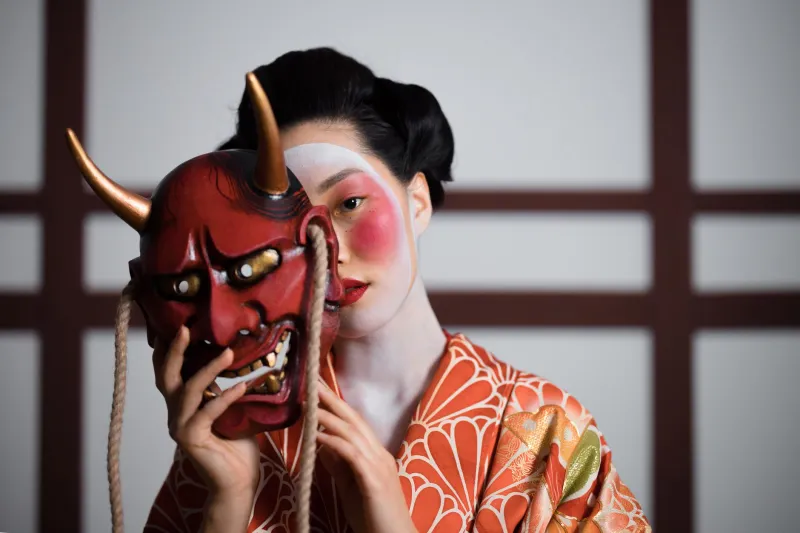
In an era defined by algorithmic acceleration and shrinking attention spans, a growing number of young Americans are turning to one of Japan's oldest and most demanding theatrical traditions. Noh theater — spare, masked, and deliberately unhurried — is drawing Gen Z audiences in ways that would have seemed improbable a decade ago. What is it about this 600-year-old art form that speaks so directly to a generation raised on infinite scroll?

Stillness in the Stem: How Ikebana Is Quietly Reshaping American Wellness Culture

Stillness in the Stem: How Ikebana Is Quietly Reshaping American Wellness Culture

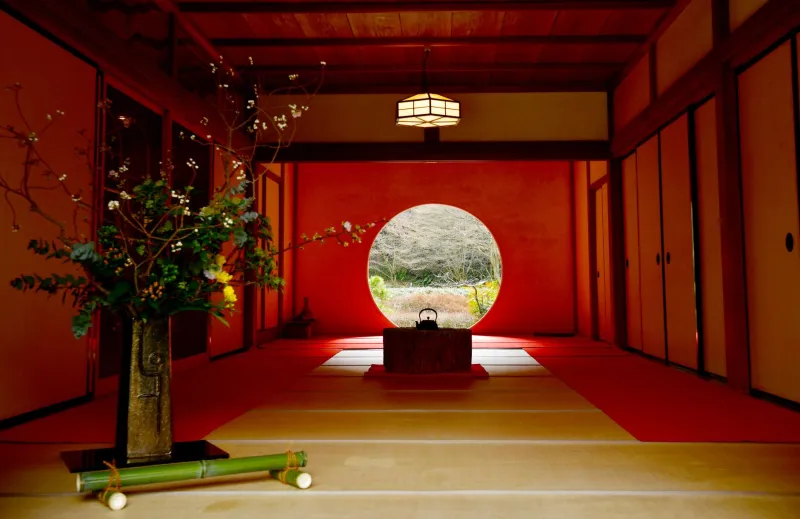
Across yoga studios, wellness retreats, and home practice spaces throughout the United States, a centuries-old Japanese discipline is finding an unlikely second home. Ikebana — the classical art of intentional flower arrangement — is drawing American practitioners who seek not merely beauty, but presence. What begins with a single stem and a shallow vessel often ends in something far more profound.